The Toaster.
A single product, made with intention. One element, one dial, one decision at a time.
Built in Oslo.
Made in Verona.
We started with a simple observation: every toaster on the market was either beautiful and unreliable, or reliable and ugly. We wanted both. So in 2022, a small team in Oslo set out to make one toaster — not a range, not a collection — just one toaster, done properly.
The chassis is cast aluminium, double-walled. The element is long-wave quartz. The dial is weighted brass. The lever glides on a machined track. Every part was redesigned from scratch, sourced from workshops in northern Italy, and assembled in Verona by a team of twelve.
We have made four issues. Each one is the same toaster, slightly more refined. We plan to make more.
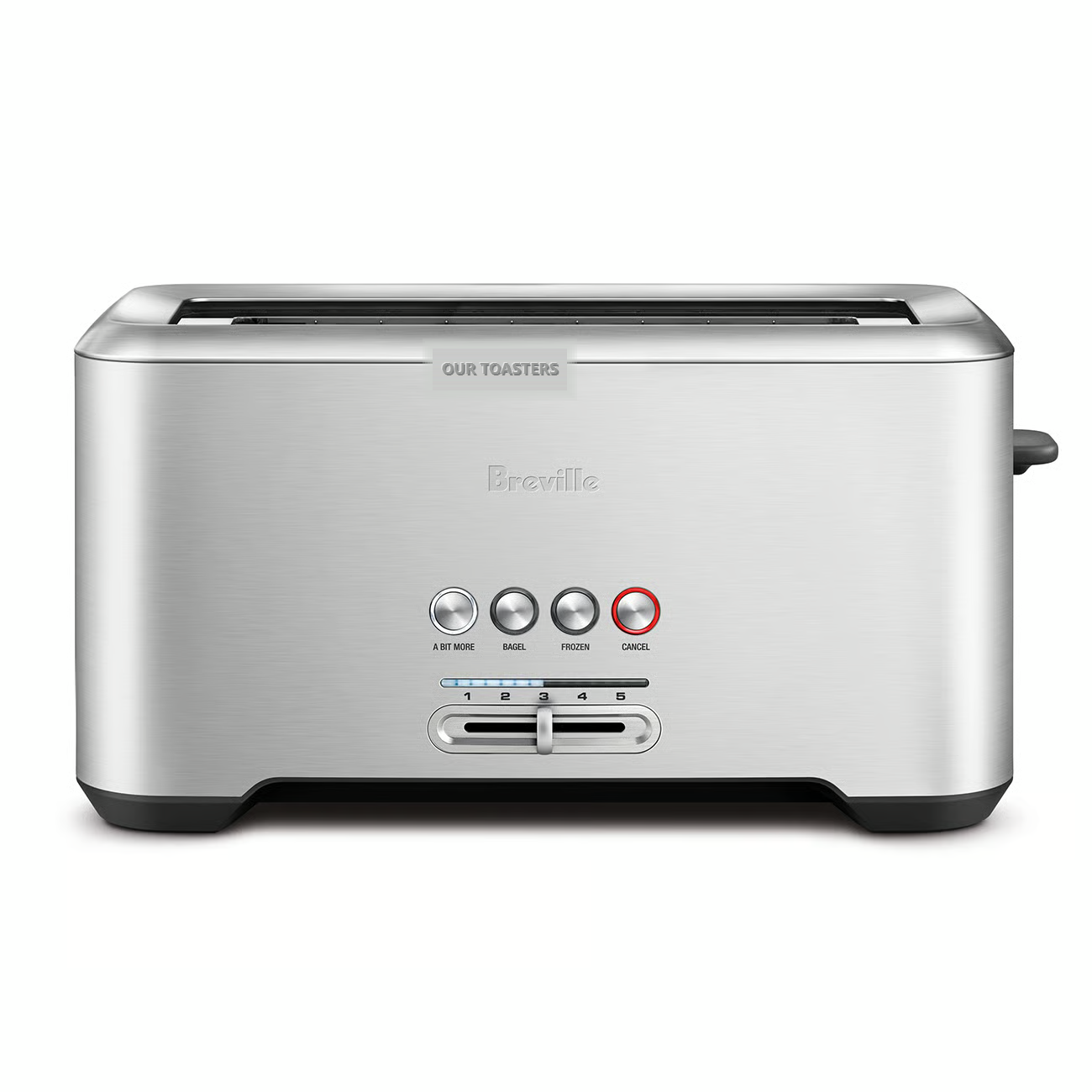
How we make it.
Every decision has a reason. Here are the ones that took the longest to get right.
We use a long-wave quartz element that heats the bread's entire face simultaneously — no pale stripes, no scorched edges. It reaches operating temperature in under four seconds and holds it within two percent for the duration of the cycle.
Weighted brass, machined to 0.01 mm tolerance. It moves through nine settings with the same tactile resistance as a good camera lens. The detents are precise enough that you can return to your preferred shade by feel, without looking.
A motorised lift-and-look mechanism. Press gently and the carriage rises to reveal the toast; release and it drops back without ending the cycle. It was the hardest part to engineer and the one users mention first.
Cast in a single piece of double-walled aluminium. The outer surface stays under 45°C even at maximum setting. It does not conduct heat to the counter. It does not flex. It will not corrode. It was designed to last longer than any other object in your kitchen.
Four issues. One obsession.
Each issue documents what we changed, why we changed it, and what we learned. They read like field notes.